Why was the “ZAN” campaign created?
Over the past five years, women and girls in Afghanistan under Taliban rule have faced widespread and systematic restrictions in education, employment, freedom of movement, freedom of expression, and participation in society.
In June 2026, following the detention of a number of women in Herat and some other cities, people in Herat took to the streets to protest these detentions and stand in support of women and girls. These protests were met with violence, and a number of protesters were killed and injured.
These events once again showed that the situation of women in Afghanistan must not fall out of the world’s attention, and that their suffering, repression, and erasure must not be allowed to become something normal and forgotten.
In response to this situation and as global solidarity with the women of Afghanistan continued to take shape, the “ZAN: Every Woman Has a Story” campaign was launched on June 24, 2026, to keep the voices of Afghan women and girls alive and visible.
The Main Message of the Campaign
The main message of “ZAN” is very simple and clear:
One of the greatest dangers facing Afghan women is that oppression, violence, and their erasure become normalized, and the world gradually becomes accustomed to their absence and silence.
“ZAN” seeks to challenge this normalization and forgetting.
Behind every statistic, every restriction, and every empty space, there is a woman or a girl; a human being with a name, a story, dreams, hopes, an identity, and rights.
Every woman has a story.
This campaign seeks to keep these stories alive and audible and to create a space where the voices of Afghan women and girls can be heard.
History of the Campaign
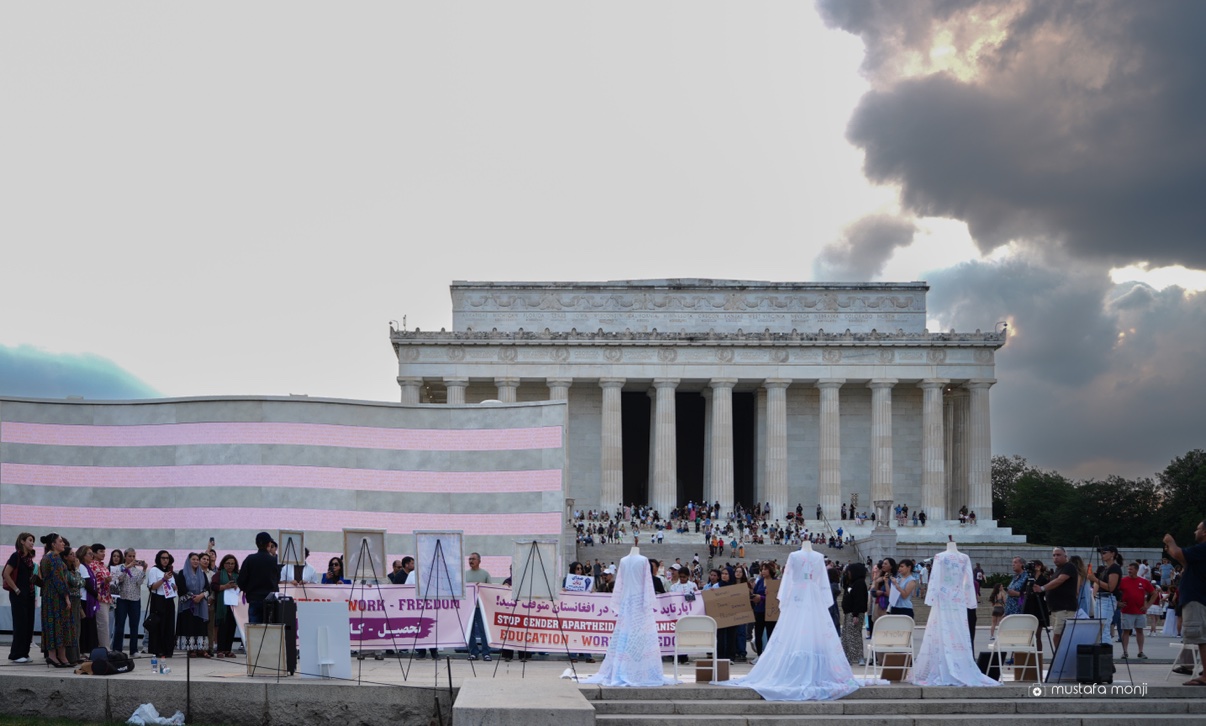
The “ZAN: Every Woman Has a Story” campaign was held for 50 days, from June 24 to August 15, 2026, in front of the Lincoln Memorial in Washington, D.C.
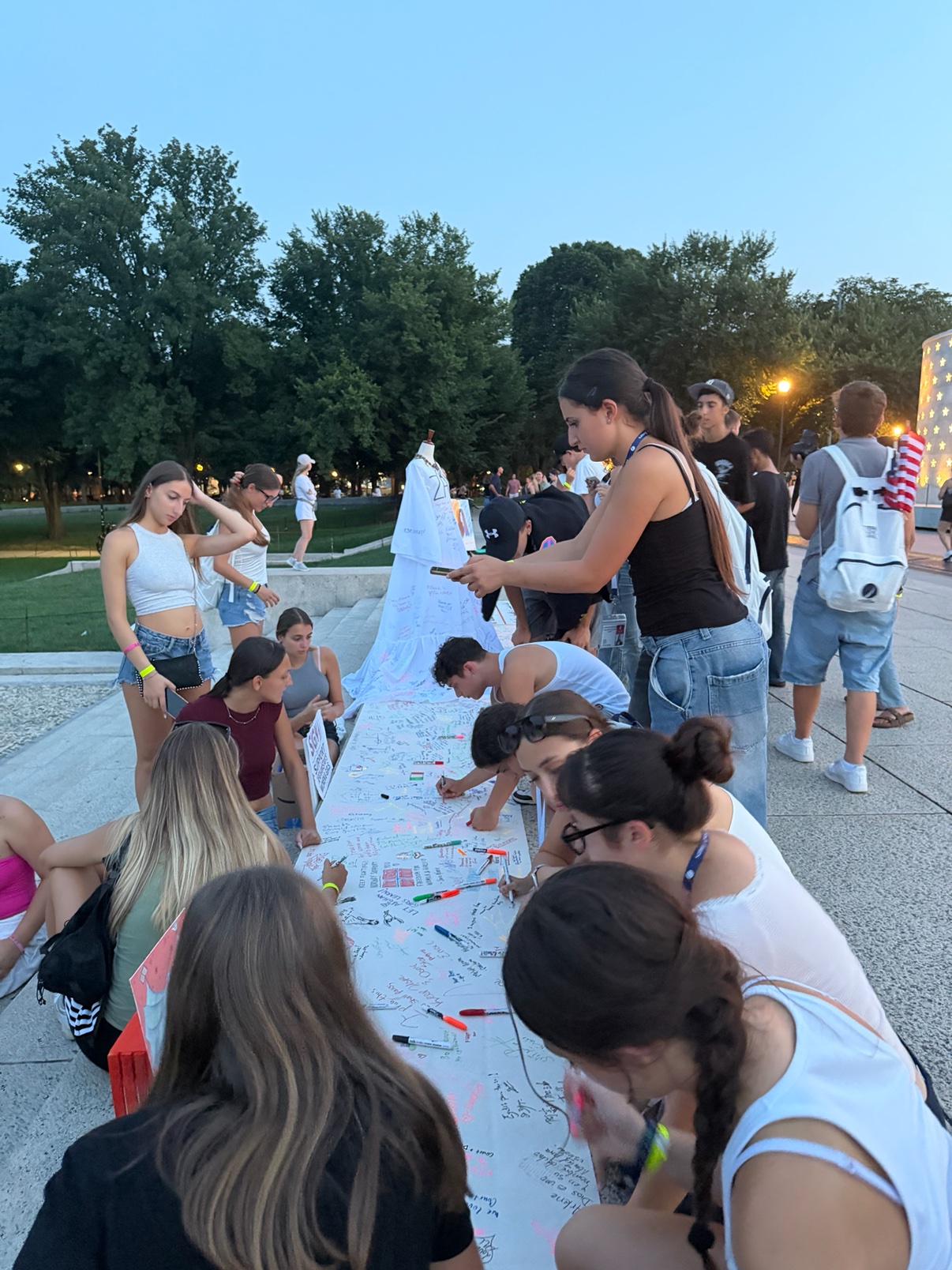
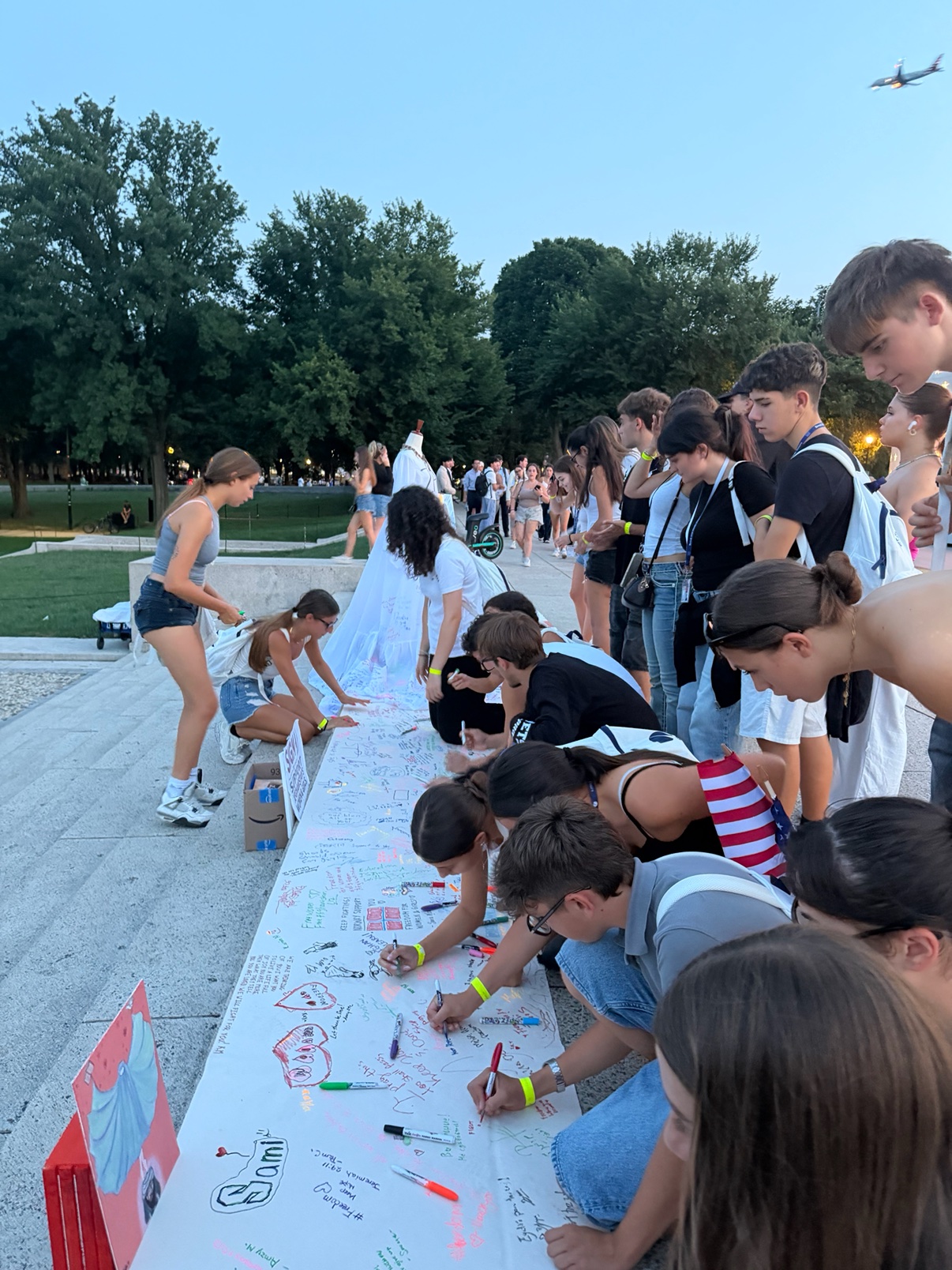
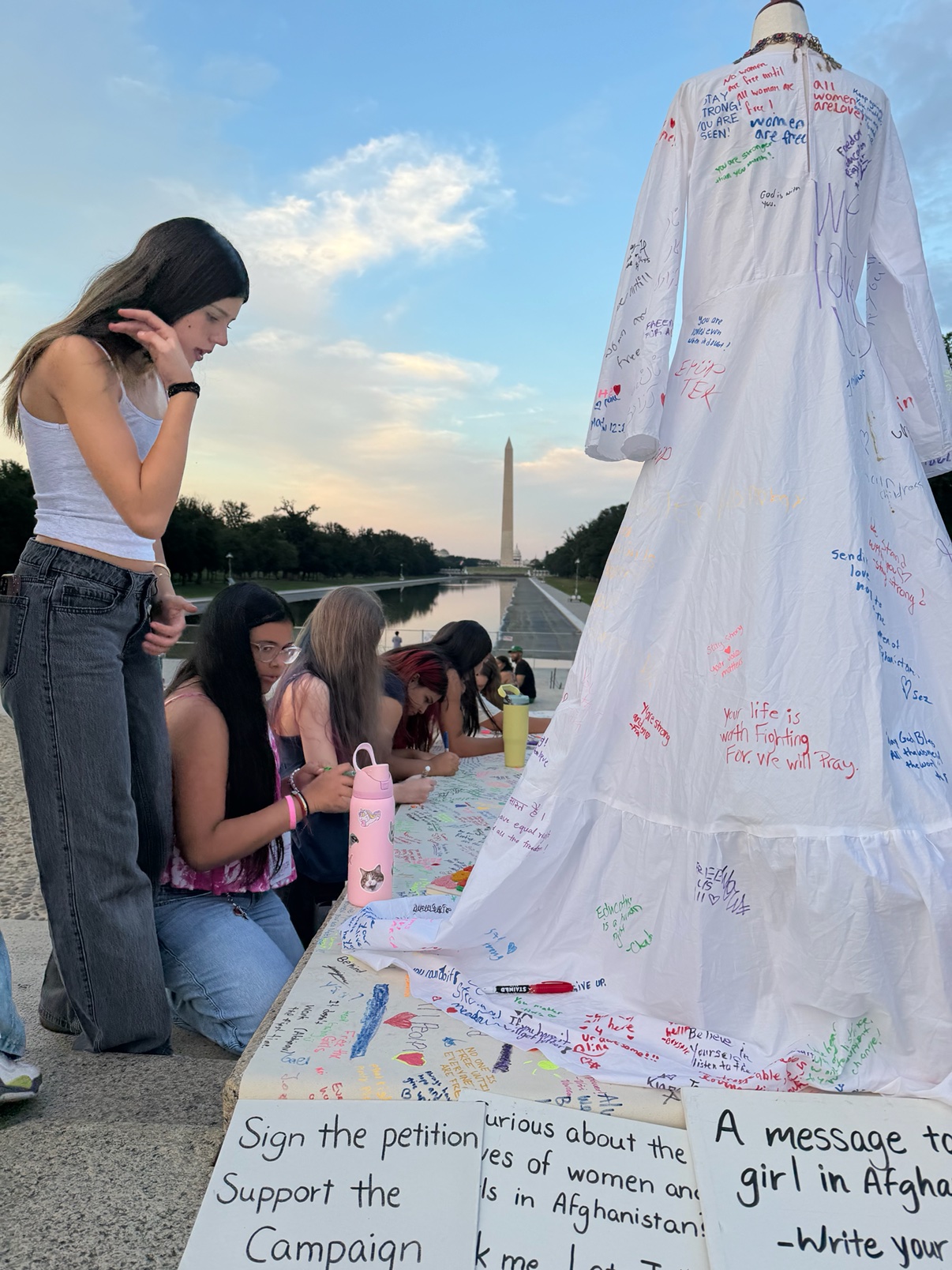
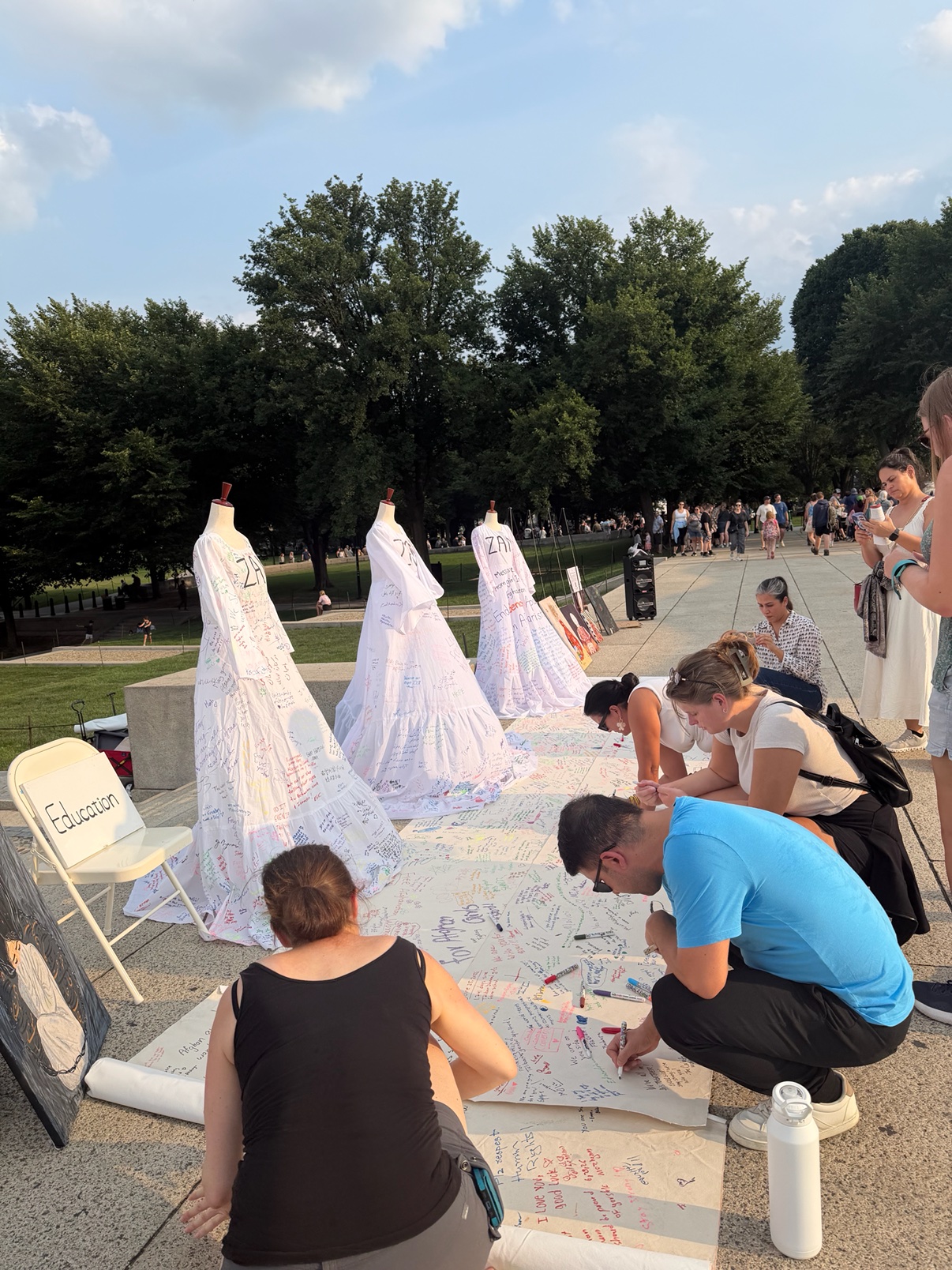
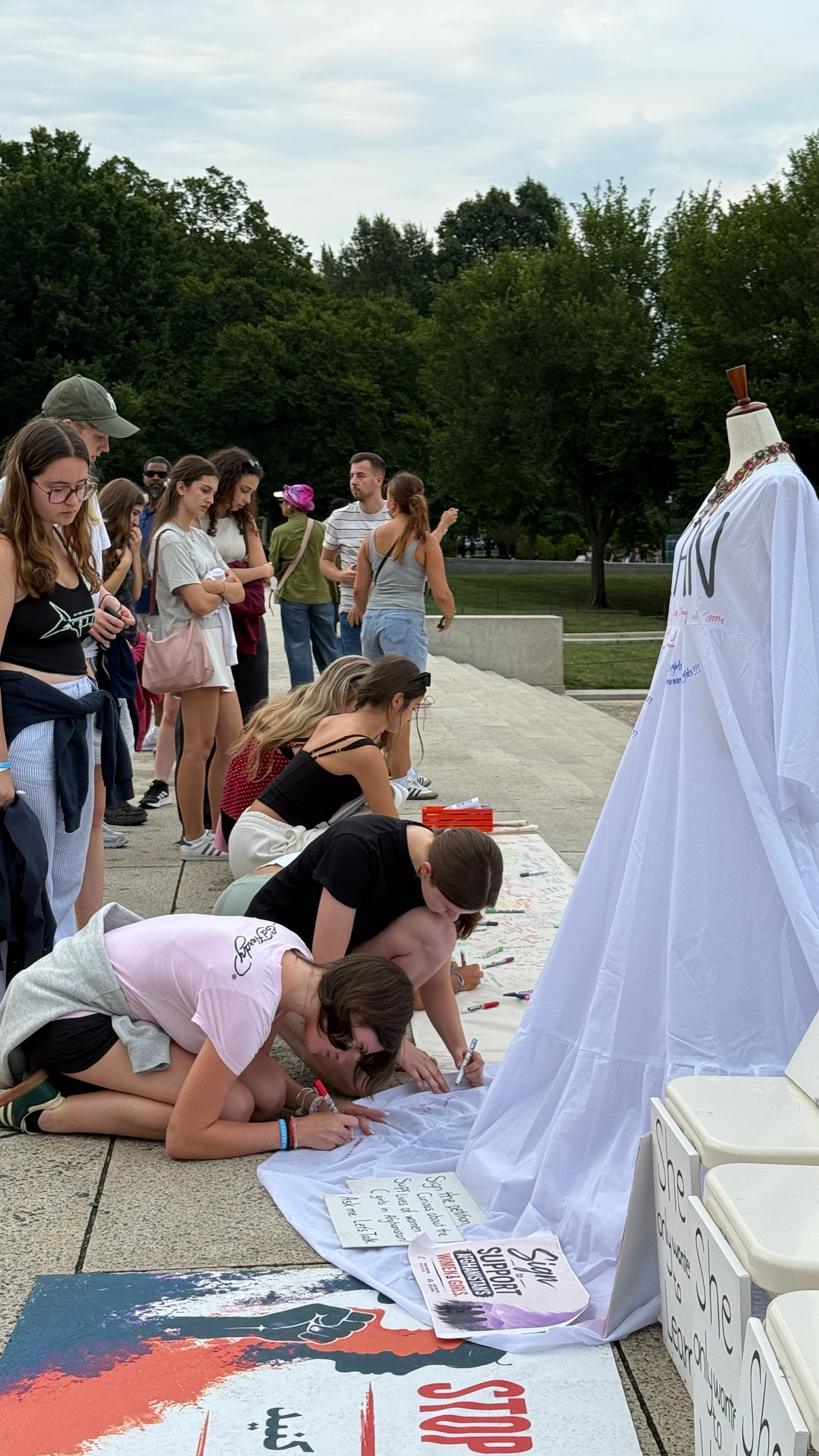
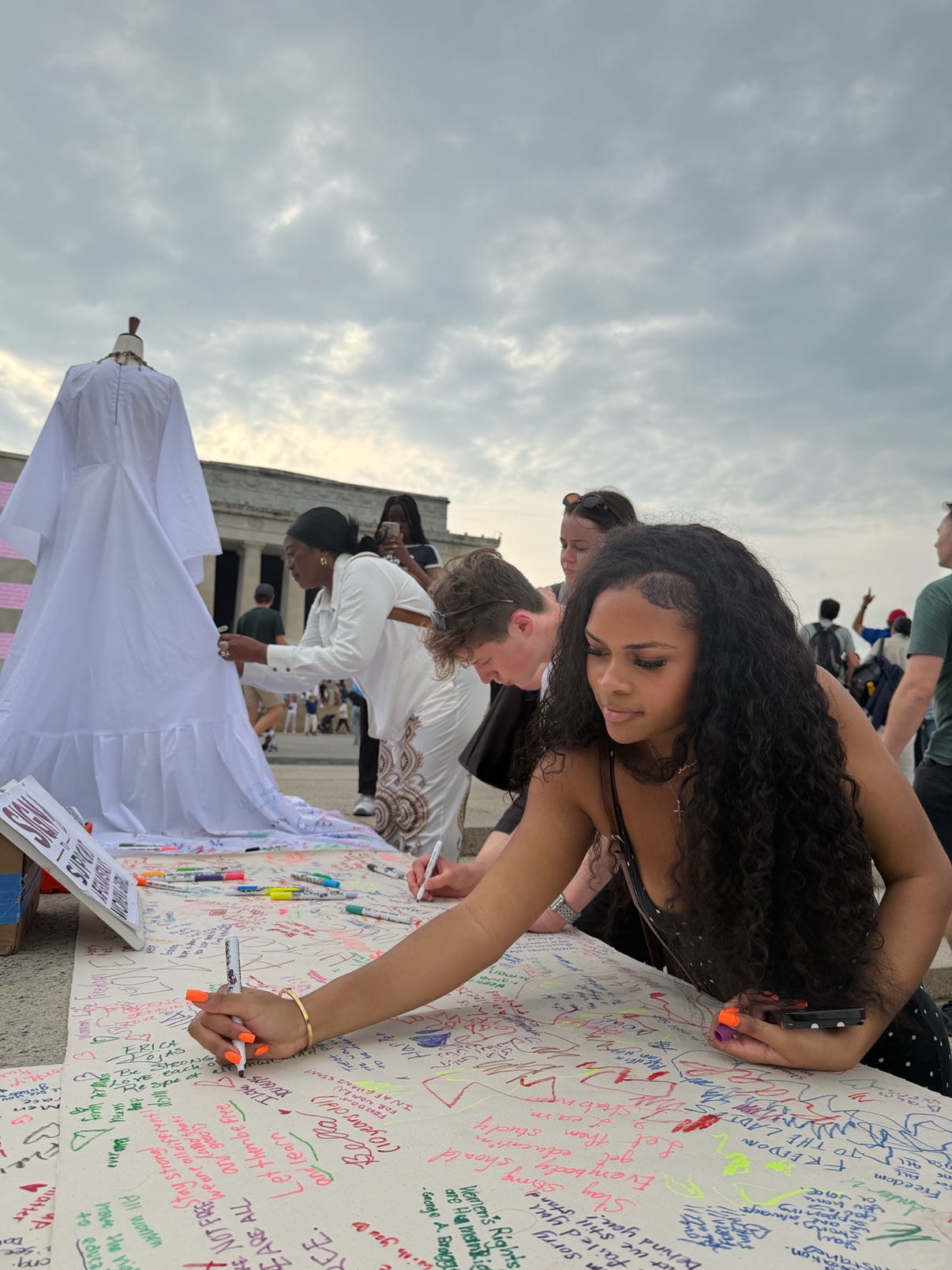
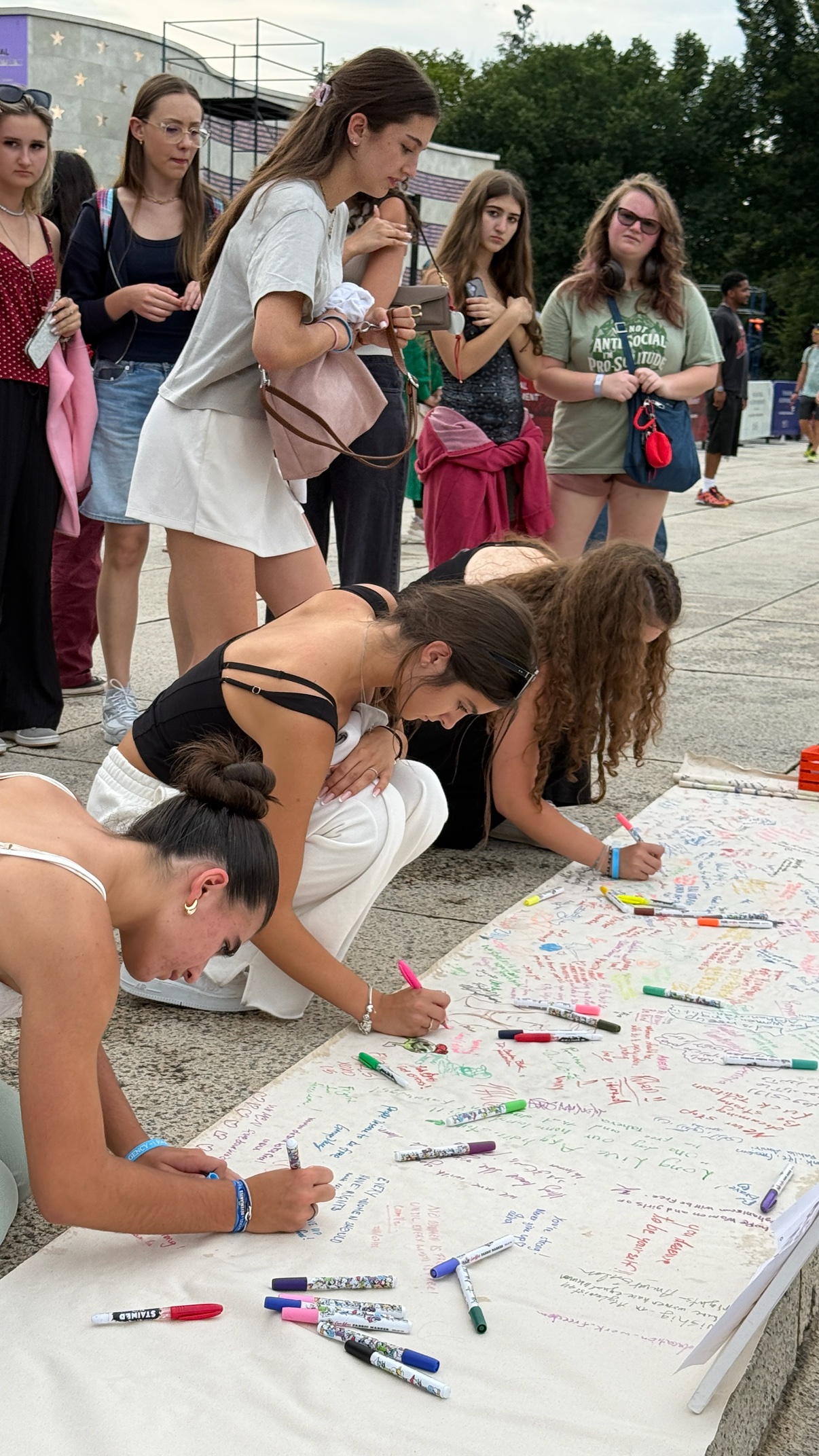
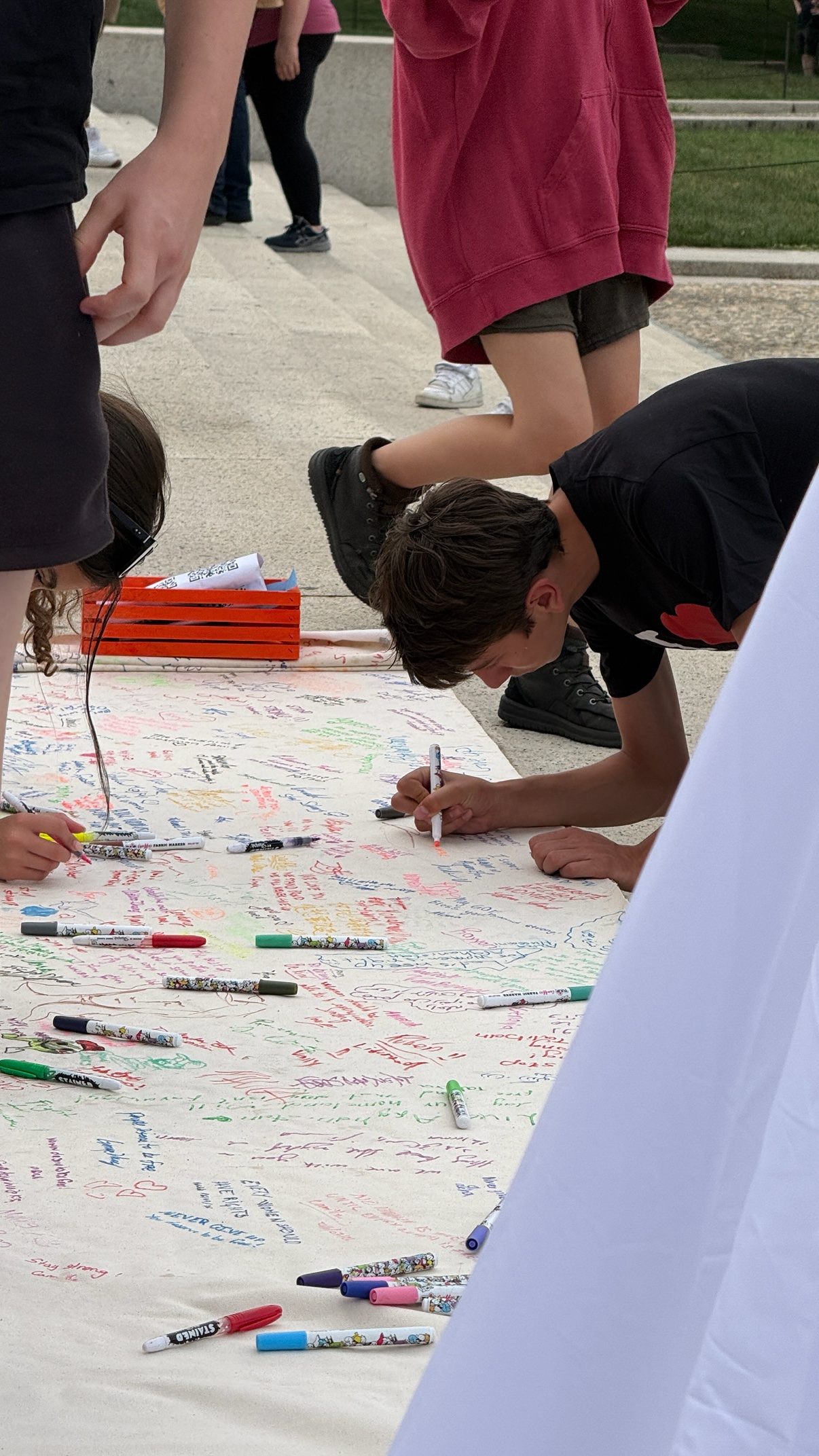
Throughout the campaign, thousands of people from different communities and backgrounds, as well as tourists from around the world, visited the campaign site, learned about the situation of women in Afghanistan, wrote their messages, and expressed their solidarity.
During these 50 days:
- More than 7,000 signatures were collected.
- More than 5,000 messages of solidarity were received.
- Thousands of people visited and participated in the campaign.
- Messages and writings of solidarity were collected from individuals and communities in different countries.
The campaign sought to create a public space where people could become familiar with the reality of Afghan women’s lives, express their solidarity, and record their voices in support of them.
Structure and Symbolism of the Campaign
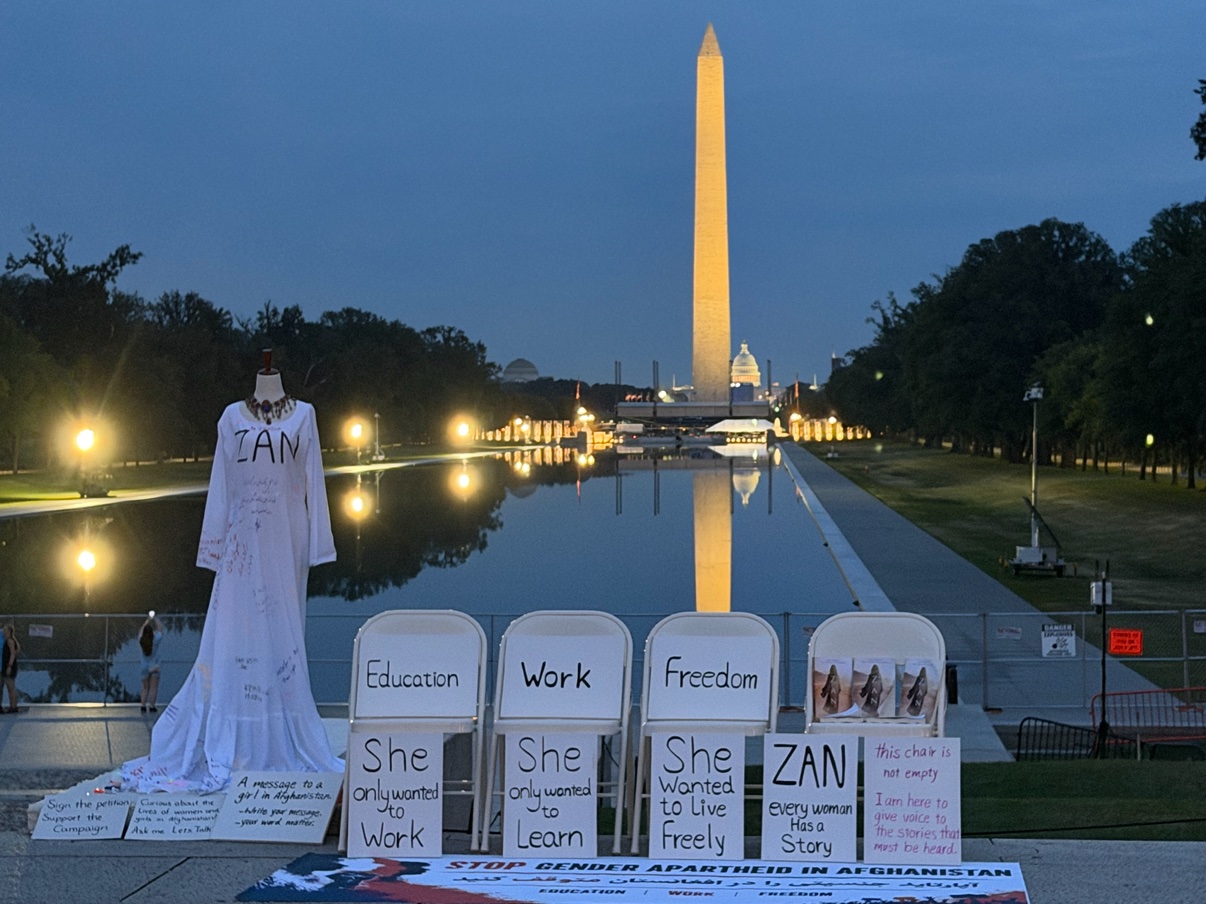
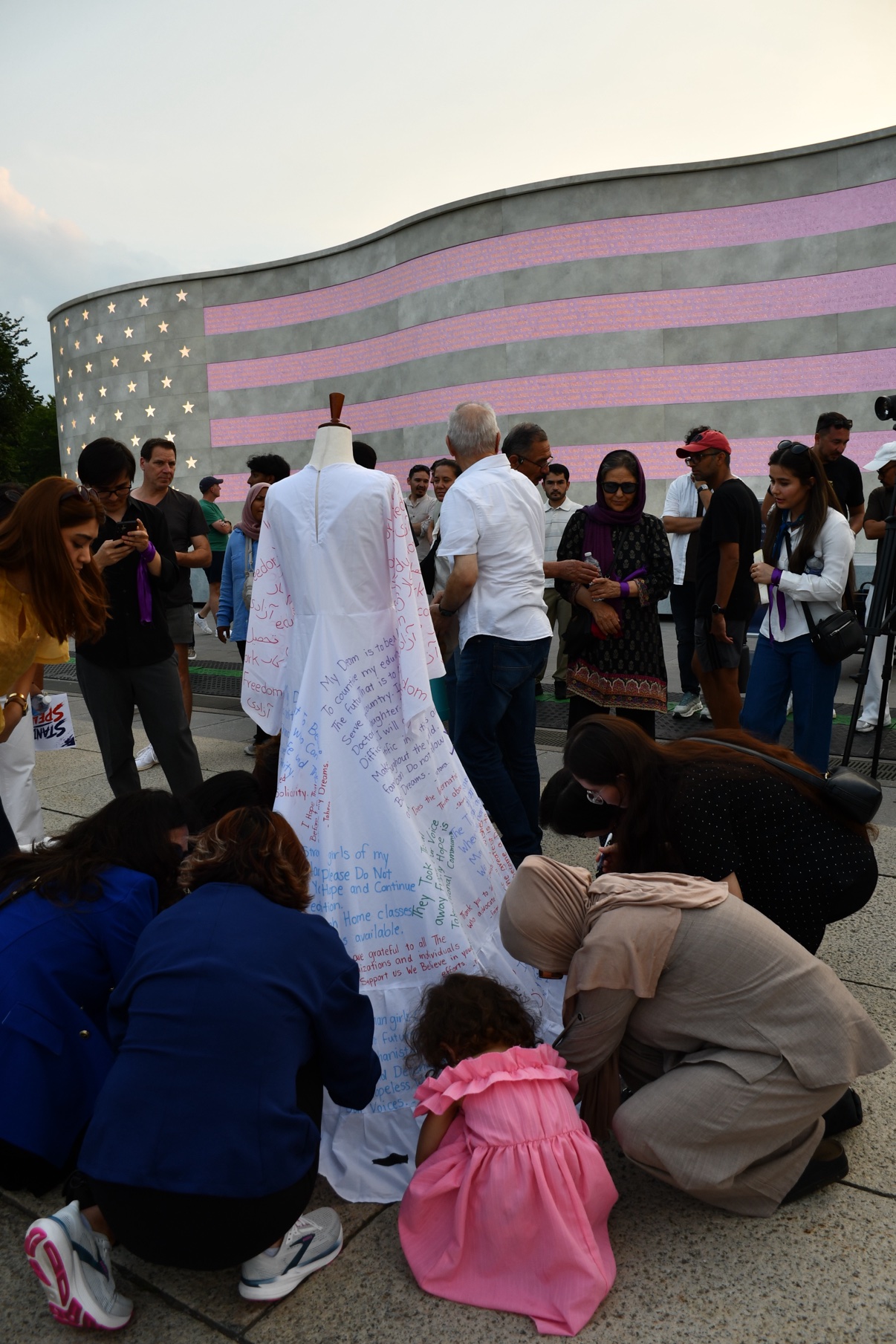
The visual and conceptual structure of the “ZAN” campaign is built around empty chairs, women wearing white clothing and the word “ZAN,” signatures, messages of solidarity, and writings from people.
Empty Chairs
The empty chairs symbolize the absence of Afghan women from spaces that once belonged to them.
An empty chair is not merely an object; it is a symbol of an absent woman, an absent student, an absent employee, and a silenced voice.
And women whose presence, voice, and place have been systematically removed from society.
Women Wearing White and the Word “ZAN”
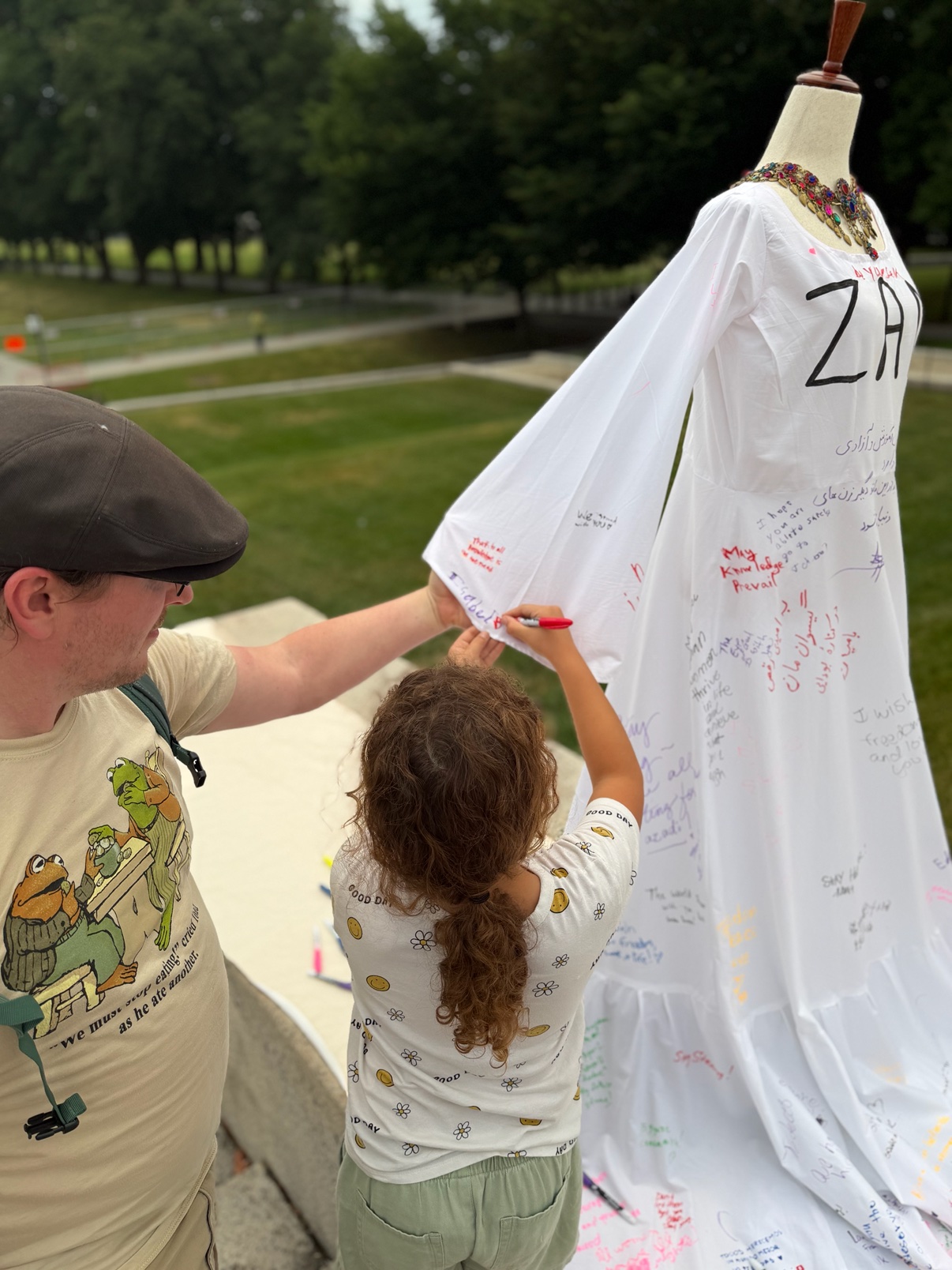
Women wearing white and the word “ZAN” symbolize women whose identity, freedom, and right to be present have been taken away from them.
The whiteness of the clothing, alongside the atmosphere of repression and darkness, is also a symbol of hope.
Despite repression, restrictions, and silence, these women still have dreams, wishes, identities, and voices.
The messages, writings, and solidarity of people around them turn this silence into a symbol of advocacy and a demand for justice.
As a result, the conceptual movement of the campaign is:
Bringing “ZAN” to New York and the United Nations
We now want to bring the “ZAN: Every Woman Has a Story” campaign to New York during the meetings of the United Nations General Assembly.
We also want to invite UN officials, diplomats, representatives of countries, and other participants to write a short message in support of Afghan women and girls and express their solidarity with Afghan women and girls.
Our goal is to bring the voices collected in Washington, D.C. to an international platform and once again remind the world:
We are completely flexible regarding the setup.
It would be great if the entire campaign could be movable; otherwise, a woman’s dress, an empty chair, and a petition for signatures can represent the campaign. There is no banner to be installed, and the setup is very simple and movable.
چرا کمپین «زن» به وجود آمد؟
در پنج سال گذشته، زنان و دختران افغانستان تحت حاکمیت طالبان با محدودیتهای گسترده و نظاممند در آموزش، اشتغال، آزادی رفتوآمد، آزادی بیان و مشارکت در جامعه روبهرو بودهاند.
در ژوئن ۲۰۲۶، پس از بازداشت شماری از زنان در هرات و چند شهر دیگر، مردم هرات به خیابانها آمدند تا به این بازداشتها اعتراض کنند و در کنار زنان و دختران بایستند. این اعتراضها با خشونت روبهرو شد و شماری از معترضان کشته و زخمی شدند.
این رویدادها بار دیگر نشان داد که وضعیت زنان افغانستان نباید از توجه جهان بیرون بماند و نباید گذاشت رنج، سرکوب و حذف آنان به چیزی عادی و فراموششده تبدیل شود.
در پاسخ به این وضعیت و در ادامهٔ همبستگی جهانی با زنان افغانستان، کمپین «زن: هر زن یک داستان دارد» در ۲۴ ژوئن ۲۰۲۶ راهاندازی شد تا صدای زنان و دختران افغان زنده و دیدهشدنی بماند.
پیام اصلی کمپین
پیام اصلی «زن» بسیار ساده و روشن است:
یکی از بزرگترین خطرهایی که زنان افغان را تهدید میکند این است که ظلم، خشونت و حذف آنان عادی شود و جهان کمکم به غیبت و سکوت آنان عادت کند.
«زن» میخواهد با این عادیسازی و فراموشی مقابله کند.
پشت هر آمار، هر محدودیت و هر جای خالی، یک زن یا یک دختر است؛ یک انسان با نام، داستان، رؤیا، امید، هویت و حقوق.
هر زن یک داستان دارد.
این کمپین میخواهد این داستانها را زنده و شنیدنی نگه دارد و فضایی بسازد که در آن صدای زنان و دختران افغان شنیده شود.
تاریخچهٔ کمپین
کمپین «زن: هر زن یک داستان دارد» به مدت ۵۰ روز، از ۲۴ ژوئن تا ۱۵ اوت ۲۰۲۶، در برابر یادبود لینکلن در واشنگتن دیسی برگزار شد.
در طول کمپین، هزاران نفر از جوامع و پیشینههای گوناگون و گردشگرانی از سراسر جهان به محل کمپین آمدند، با وضعیت زنان افغانستان آشنا شدند، پیامهایشان را نوشتند و همبستگی خود را ابراز کردند.
در این ۵۰ روز:
- بیش از ۷٬۰۰۰ امضا جمع شد.
- بیش از ۵٬۰۰۰ پیام همبستگی دریافت شد.
- هزاران نفر از کمپین دیدن کردند و در آن شرکت کردند.
- پیامها و نوشتههای همبستگی از افراد و جوامع کشورهای گوناگون جمعآوری شد.
کمپین میخواست فضایی عمومی بسازد که در آن مردم با واقعیت زندگی زنان افغان آشنا شوند، همبستگی خود را ابراز کنند و صدایشان را در حمایت از آنان ثبت کنند.
ساختار و نمادهای کمپین
ساختار تصویری و مفهومی کمپین «زن» بر صندلیهای خالی، زنان با لباس سفید و واژهٔ «زن»، امضاها، پیامهای همبستگی و نوشتههای مردم بنا شده است.
صندلیهای خالی
صندلیهای خالی نماد غیبت زنان افغان از فضاهایی هستند که زمانی به آنان تعلق داشت.
یک صندلی خالی فقط یک شیء نیست؛ نماد یک زن غایب است، یک دانشآموز غایب، یک کارمند غایب و یک صدای خاموش.
و زنانی که حضور، صدا و جایگاهشان بهصورت نظاممند از جامعه حذف شده است.
زنان با لباس سفید و واژهٔ «زن»
زنان با لباس سفید و واژهٔ «زن» نماد زنانی هستند که هویت، آزادی و حق حضورشان از آنان گرفته شده است.
سفیدی لباس، در کنار فضای سرکوب و تاریکی، نماد امید هم هست.
با وجود سرکوب، محدودیت و سکوت، این زنان هنوز رؤیا، آرزو، هویت و صدا دارند.
پیامها، نوشتهها و همبستگی مردمِ پیرامون آنان، این سکوت را به نماد دادخواهی و مطالبهٔ عدالت تبدیل میکند.
در نتیجه، حرکت مفهومی کمپین چنین است:
بردن «زن» به نیویورک و سازمان ملل
اکنون میخواهیم کمپین «زن: هر زن یک داستان دارد» را در زمان برگزاری نشستهای مجمع عمومی سازمان ملل به نیویورک ببریم.
همچنین میخواهیم از مقامهای سازمان ملل، دیپلماتها، نمایندگان کشورها و دیگر شرکتکنندگان دعوت کنیم تا پیامی کوتاه در حمایت از زنان و دختران افغان بنویسند و همبستگی خود را با زنان و دختران افغان ابراز کنند.
هدف ما این است که صداهای گردآوریشده در واشنگتن دیسی را به یک سکوی بینالمللی برسانیم و بار دیگر به جهان یادآوری کنیم:
ما در مورد چیدمان کاملاً انعطافپذیر هستیم.
عالی میشود اگر کل کمپین قابل جابهجایی باشد؛ در غیر این صورت، یک لباس زنانه، یک صندلی خالی و یک طومار برای امضا میتوانند نمایندهٔ کمپین باشند. هیچ بنری نصب نمیشود و چیدمان بسیار ساده و قابل جابهجایی است.
Sign in Support of Afghan Women
Thousands of people signed and wrote their messages during the 50 days in Washington. You can add your name too — stand with the women and girls of Afghanistan and help keep their stories heard.
در حمایت از زنان افغانستان امضا کنید
هزاران نفر در ۵۰ روز واشنگتن امضا کردند و پیامهایشان را نوشتند. شما هم میتوانید نامتان را اضافه کنید — در کنار زنان و دختران افغانستان بایستید و کمک کنید داستانهایشان شنیده شود.
Photos from the Campaign
From the 50 days at the Lincoln Memorial — the white dresses covered in visitors’ handwriting, the empty chair, and the people who came to sign and stand in solidarity.
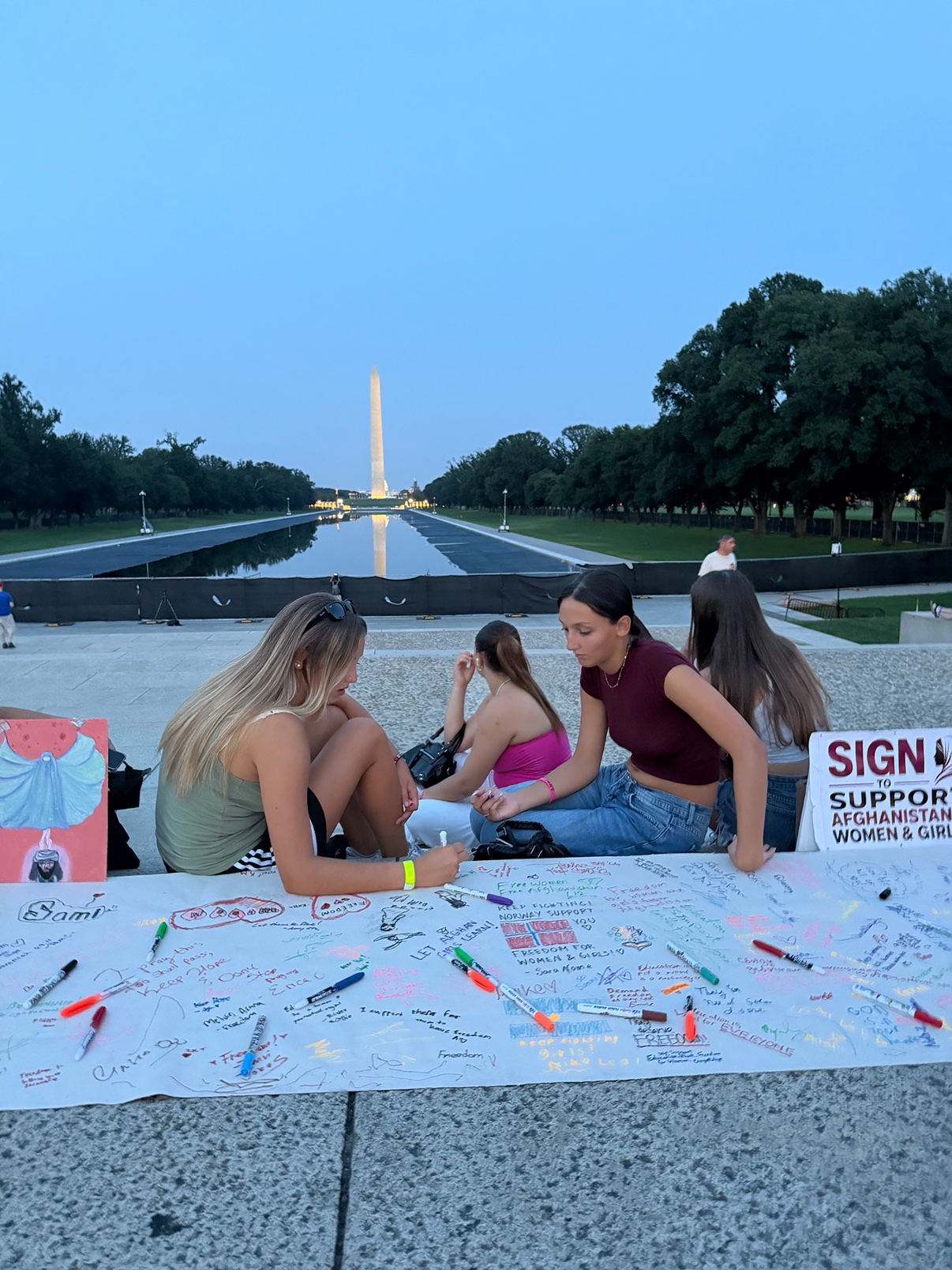
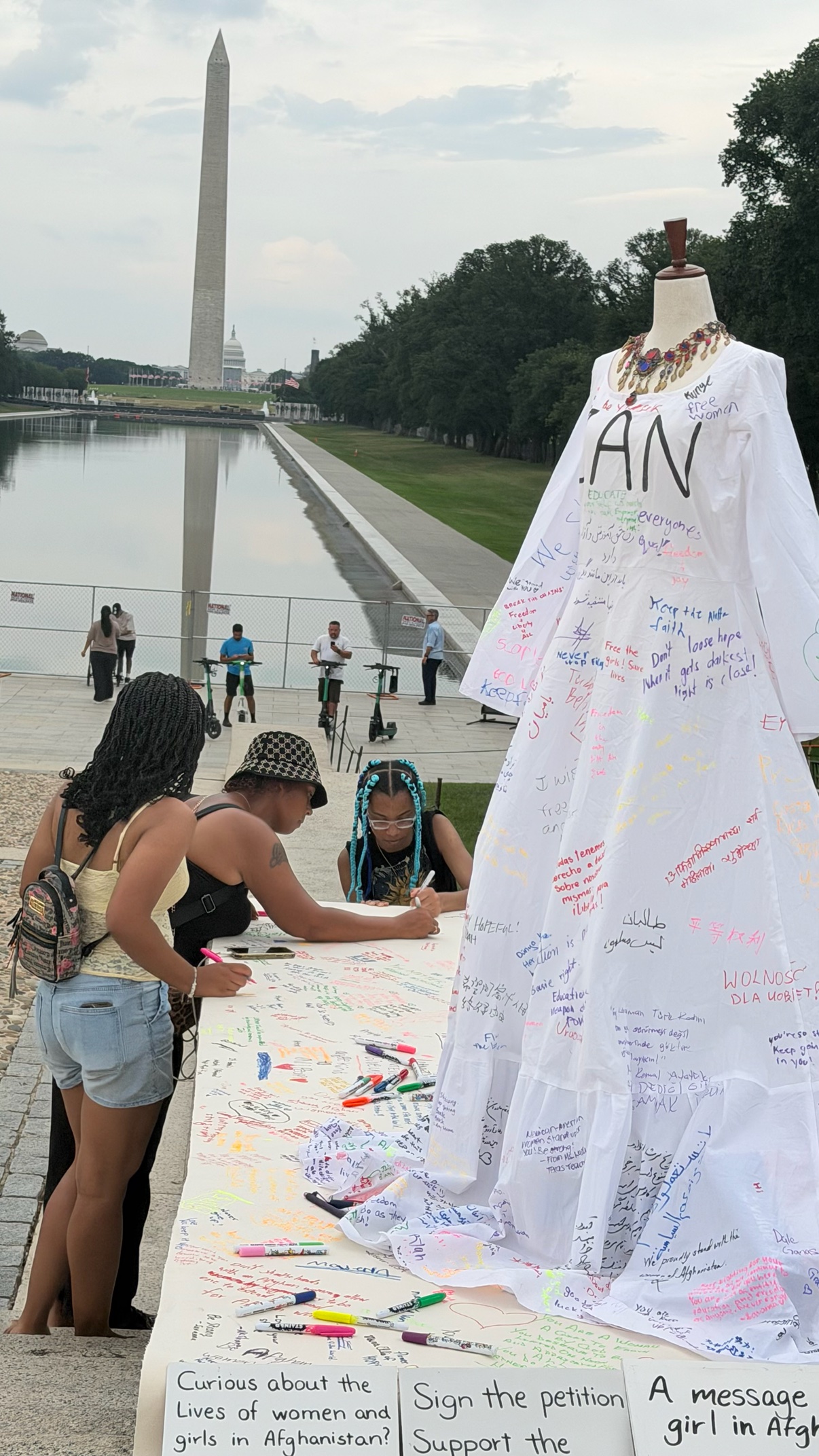
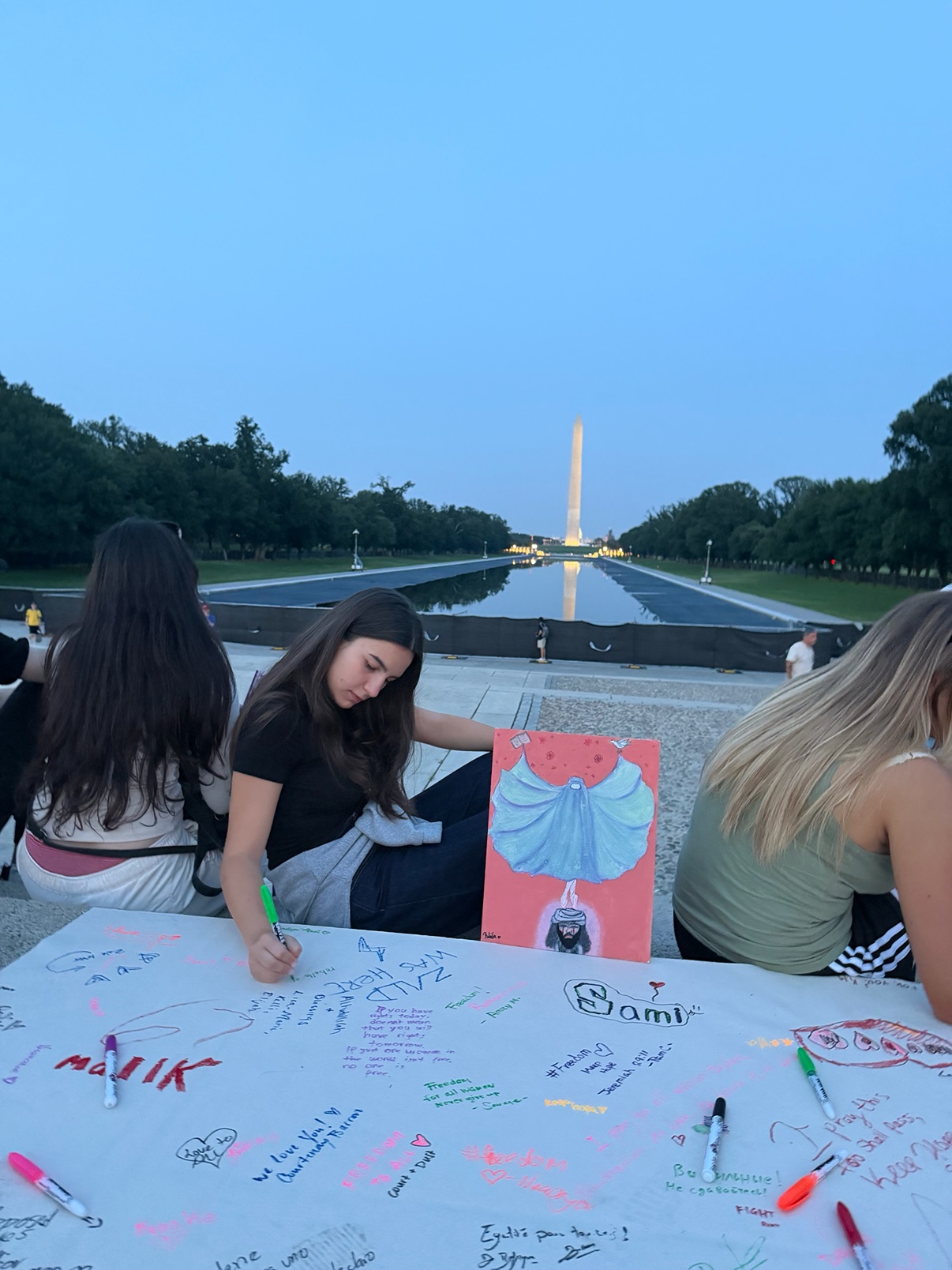
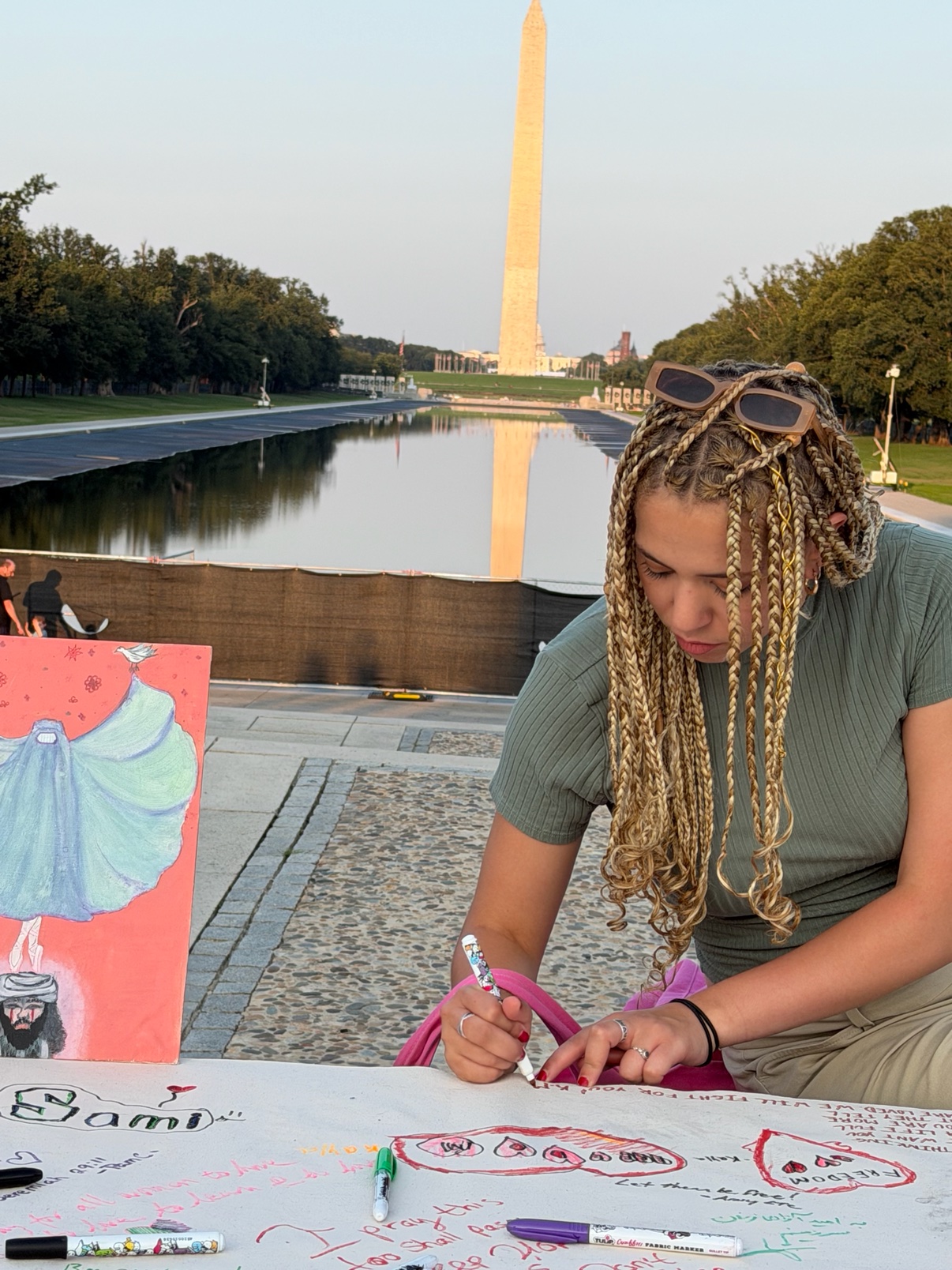
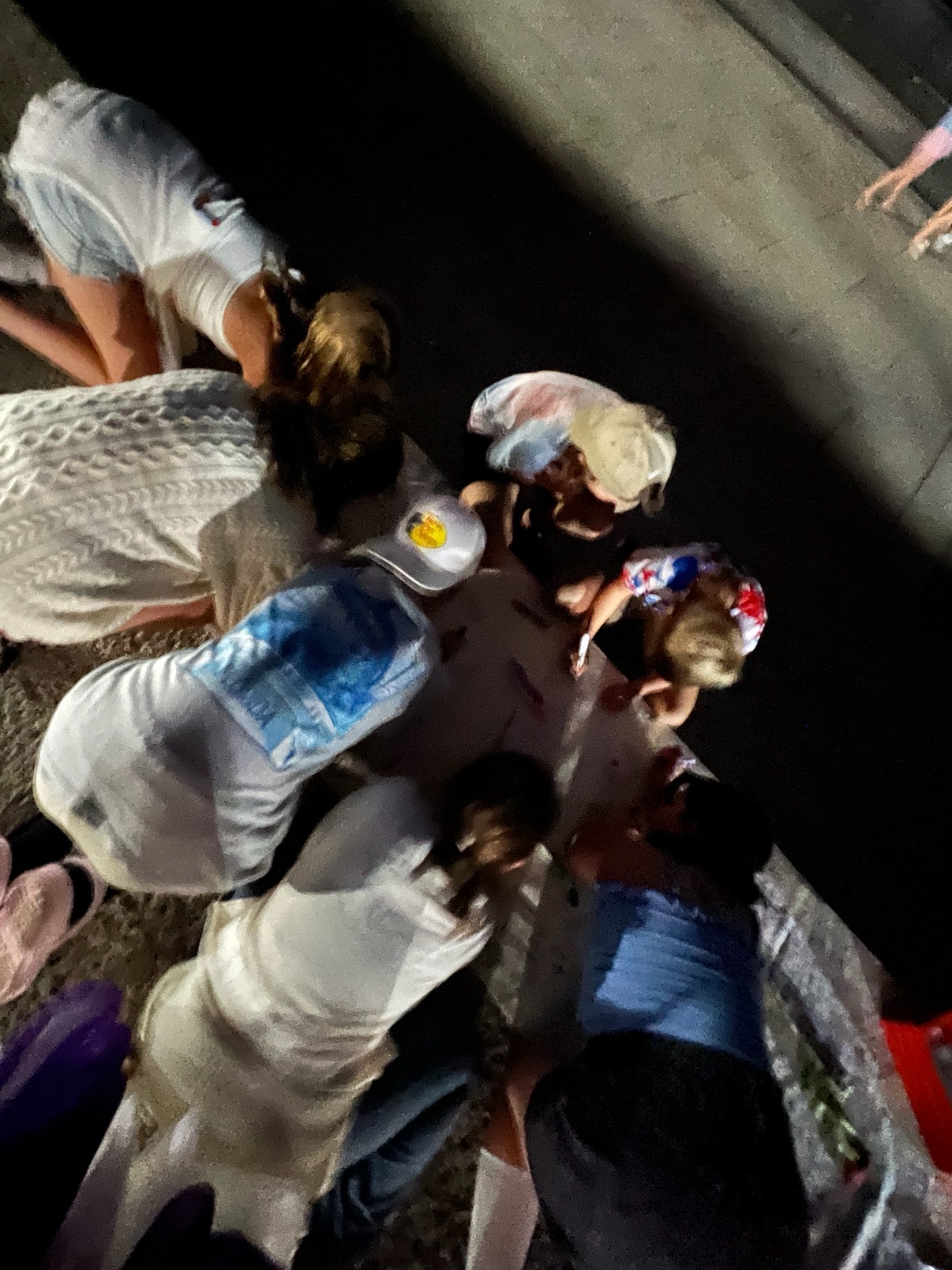
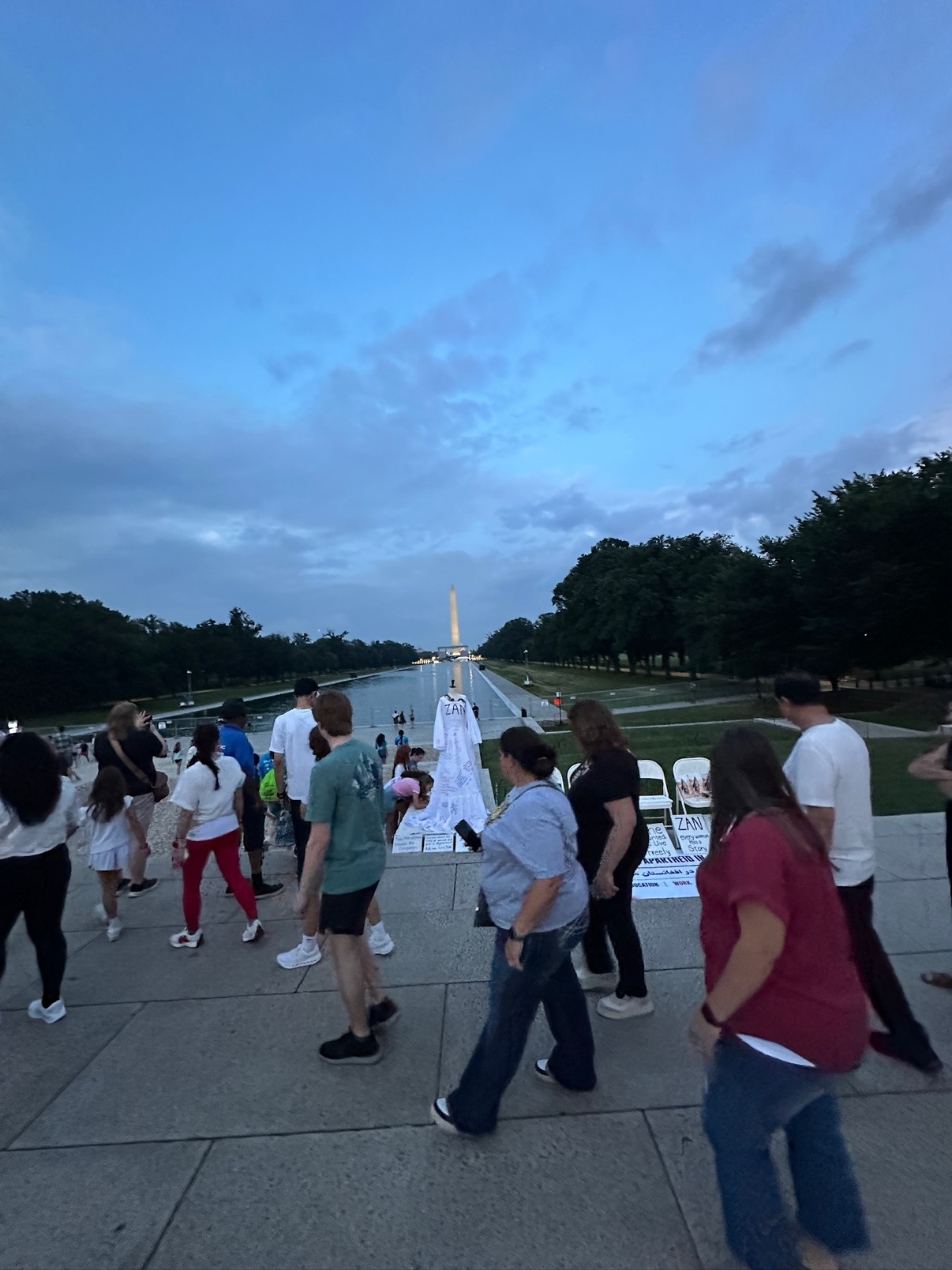
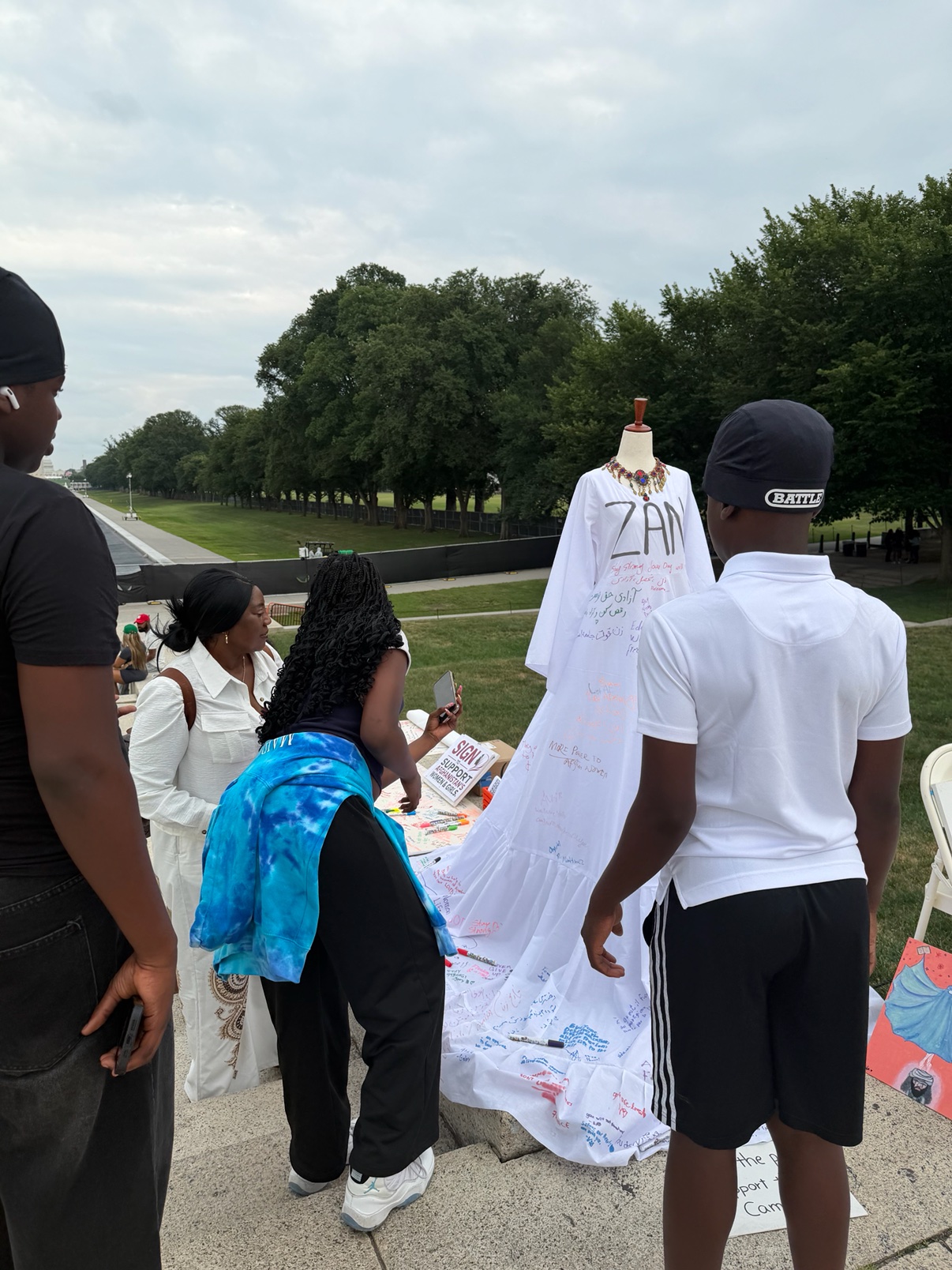
عکسهای کمپین
از ۵۰ روز در برابر یادبود لینکلن — لباسهای سفید پوشیده از دستخط بازدیدکنندگان، صندلی خالی و مردمی که آمدند امضا کنند و همبستگی نشان دهند.
Videos from the Campaign
Moments from the 50 days at the Lincoln Memorial — the chairs, the white dresses, the signatures, and the people who stopped to write their messages. Tap a video to play it.
ویدیوهای کمپین
لحظههایی از ۵۰ روز در برابر یادبود لینکلن — صندلیها، لباسهای سفید، امضاها و مردمی که ایستادند و پیامهایشان را نوشتند. برای پخش، روی ویدیو بزنید.
Media Coverage
News reports and posts about the 50-day campaign in Washington, D.C. — from news outlets and from Instagram and Facebook. Each link opens in a new tab.
DC Media Group
Voice of America — Pashto
در رسانهها
گزارشها و پستهایی دربارهٔ کمپین ۵۰ روزه در واشنگتن دیسی — از رسانههای خبری و از اینستاگرام و فیسبوک. هر پیوند در زبانهای تازه باز میشود.
DC Media Group
صدای آمریکا — پشتو
اینستاگرام
About Zahra

Zahra Yagana is an Afghan writer and human-rights advocate with nearly 20 years of advocacy for women, war victims and victims of terrorist attacks in Afghanistan. Recognized by the U.S. Department of State as an at-risk human rights advocate, she relocated to Maryland, where she is Project Manager at IntoGreatUS and author of ‘ZAN: The Woman They Tried to Silence.’
دربارهٔ زهرا
زهرا یگانه نویسنده و مدافع حقوق بشر اهل افغانستان است با نزدیک به ۲۰ سال فعالیت برای زنان، قربانیان جنگ و قربانیان حملات تروریستی در افغانستان. او از سوی وزارت خارجهٔ آمریکا بهعنوان مدافع حقوق بشر در معرض خطر شناخته شد و به مریلند نقل مکان کرد؛ جایی که مدیر پروژهٔ IntoGreatUS و نویسندهٔ کتاب «زن: زنی که سعی کردند ساکتش کنند» است.